
Paragraph 1|Tea Origin & Historical Culture(起源与历史)
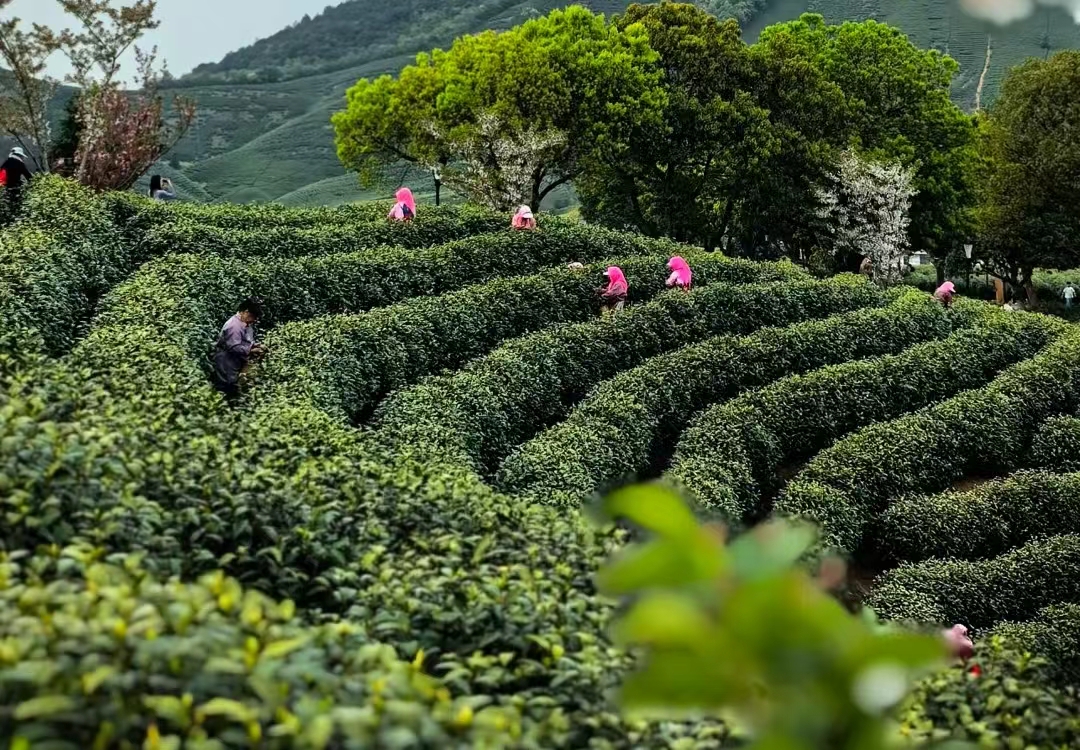
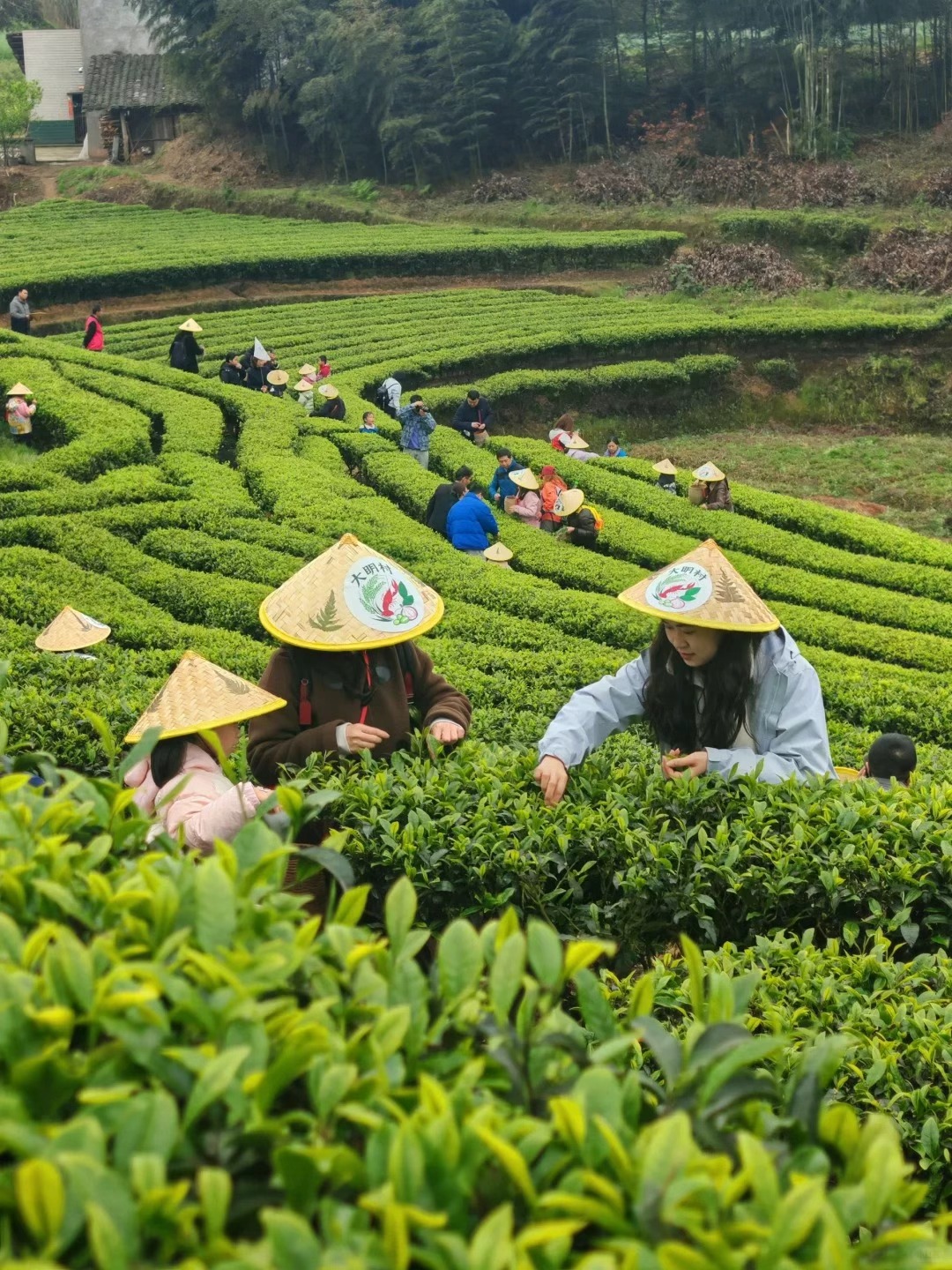
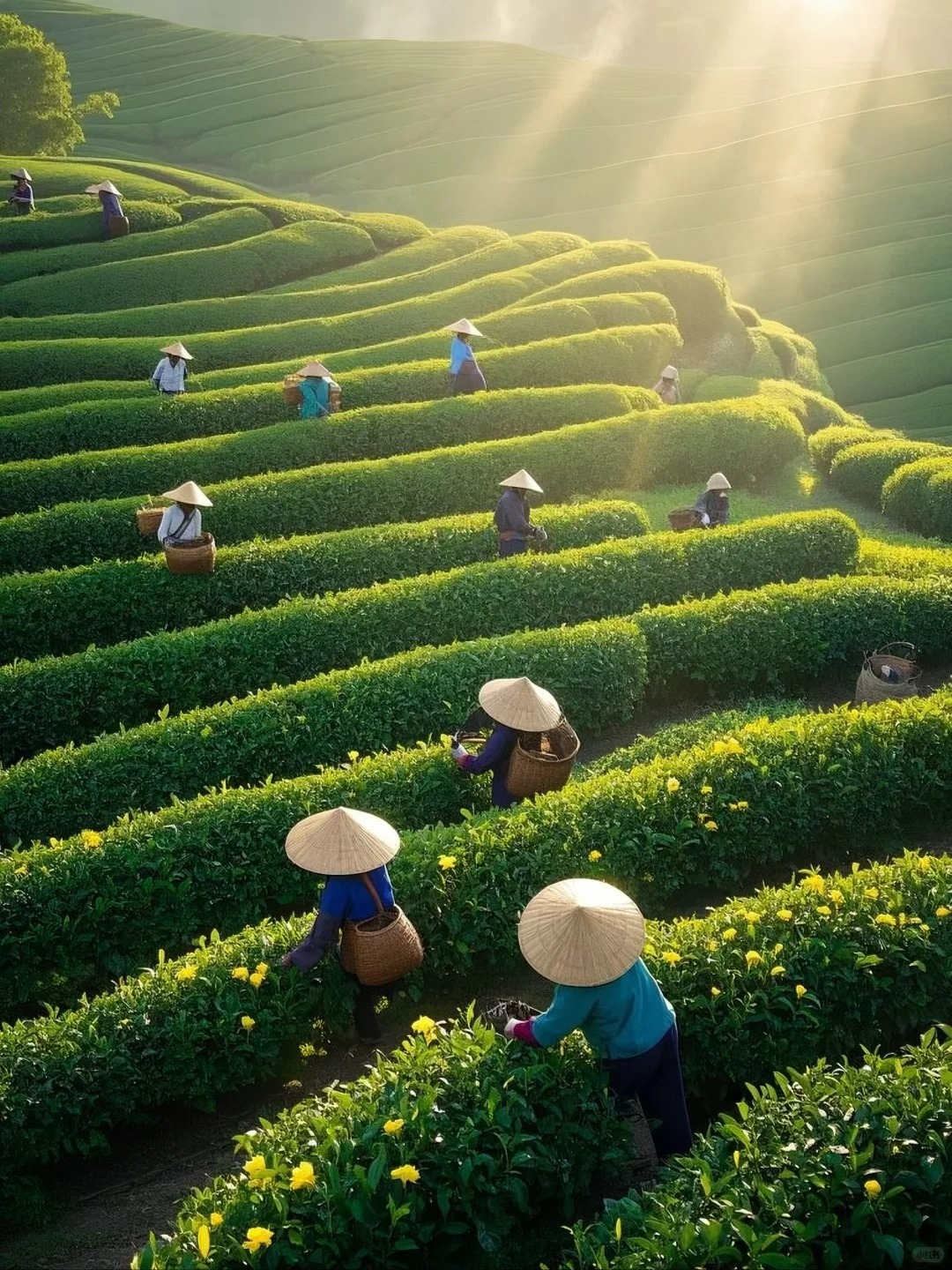
China is the birthplace of tea, with a drinking history stretching over 4,700 years. Legend records that Emperor Shennong first discovered tea’s medicinal value by accident when wild tea leaves fell into his boiled drinking water. In the Tang Dynasty, Lu Yu finished The Classic of Tea, the world’s first professional book on tea, laying the foundation for systematic Chinese tea culture. Later, tea spread globally via the Ancient Silk Road and Tea-Horse Road, evolving into varied local customs in Japan, Britain and Southeast Asia. Ancient Chinese regarded tea as natural herbal medicine: regular drinking could clear internal heat, refresh the mind and ease physical fatigue, a viewpoint verified by modern nutritional research.
China is the birthplace of tea, with a drinking history stretching over 4,700 years. Legend records that Emperor Shennong first discovered tea’s medicinal value by accident when wild tea leaves fell into his boiled drinking water. In the Tang Dynasty, Lu Yu finished The Classic of Tea, the world’s first professional book on tea, laying the foundation for systematic Chinese tea culture. Later, tea spread globally via the Ancient Silk Road and Tea-Horse Road, evolving into varied local customs in Japan, Britain and Southeast Asia. Ancient Chinese regarded tea as natural herbal medicine: regular drinking could clear internal heat, refresh the mind and ease physical fatigue, a viewpoint verified by modern nutritional research.
Paragraph 2|Main Tea Categories & Corresponding Health Effects(六大茶类 + 对应功效)
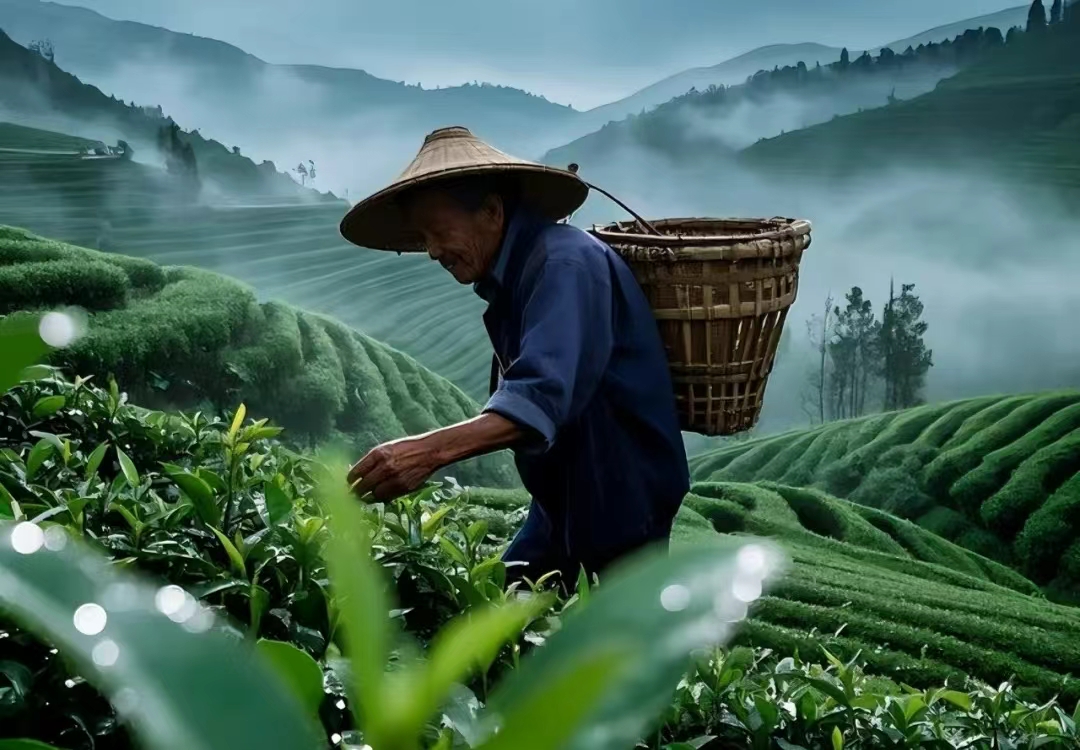
Chinese tea is classified into six major types by fermentation degree, each with unique flavors and wellness functions. Green tea is non-fermented and retains abundant catechins and vitamin C; these powerful antioxidants eliminate free radicals, slow cell aging and assist fat metabolism to control body weight. Oolong tea is semi-fermented, famous for aiding gastrointestinal digestion and lowering excess blood lipid after greasy meals. Fully fermented black tea is mild on stomach lining, effectively promoting blood circulation and relieving cold discomfort in cold seasons. Dark tea like Pu’er helps regulate intestinal flora and reduce bad cholesterol accumulation in blood vessels. White tea and yellow tea, with light processing, excel at soothing inflammation and boosting immunity.
Chinese tea is classified into six major types by fermentation degree, each with unique flavors and wellness functions. Green tea is non-fermented and retains abundant catechins and vitamin C; these powerful antioxidants eliminate free radicals, slow cell aging and assist fat metabolism to control body weight. Oolong tea is semi-fermented, famous for aiding gastrointestinal digestion and lowering excess blood lipid after greasy meals. Fully fermented black tea is mild on stomach lining, effectively promoting blood circulation and relieving cold discomfort in cold seasons. Dark tea like Pu’er helps regulate intestinal flora and reduce bad cholesterol accumulation in blood vessels. White tea and yellow tea, with light processing, excel at soothing inflammation and boosting immunity.
Paragraph 3|Chinese Tea Ceremony & Spiritual Culture(茶道礼仪与人文)
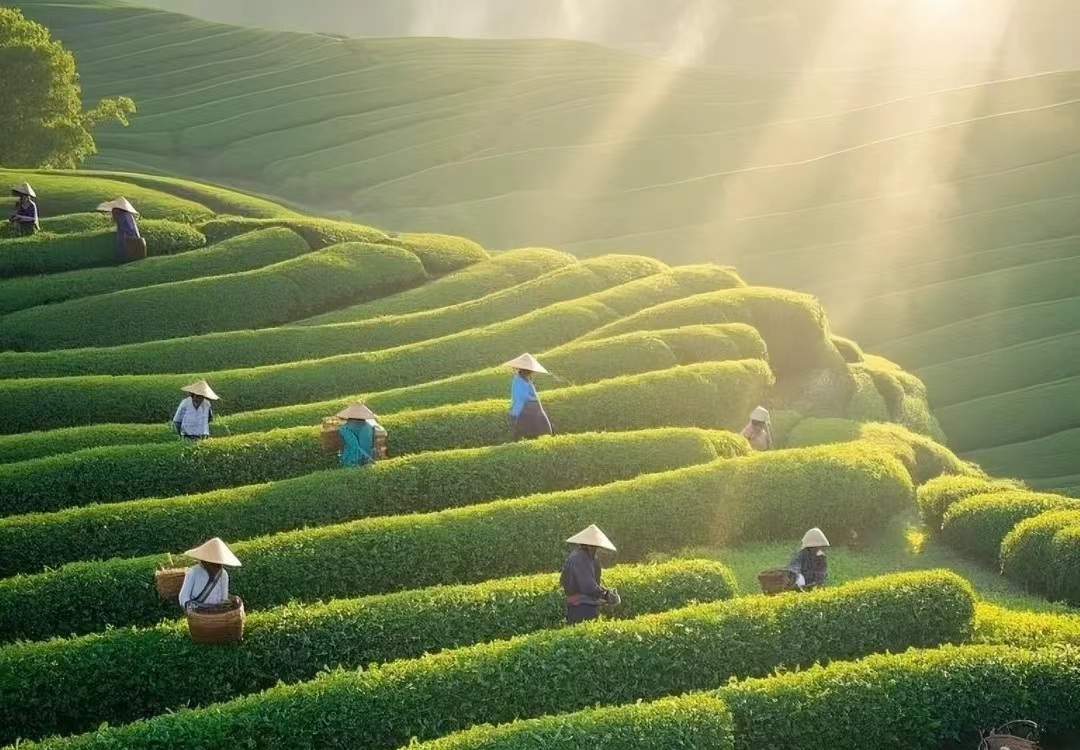
Chinese tea ceremony centers on four core spirits: harmony, tranquility, genuineness and pleasure, combining daily hospitality with oriental philosophy of harmony between human and nature. Serving tea to guests is a basic social etiquette to show respect and sincerity across all regions of China. Gongfu tea, popular in Fujian and Guangdong, stresses fine tea sets, precise water temperature and controlled brewing time to fully unlock tea aroma. Beyond social interaction, slow tea tasting calms restless nerves. Tea contains L-theanine, a special amino acid that brings stable mental alertness without the nervous jitters caused by excessive coffee caffeine, helping ease daily stress and improve concentration. In 2022, China’s traditional tea-making craft was listed on UNESCO Intangible Cultural Heritage List, marking worldwide recognition of Chinese tea civilization
Chinese tea ceremony centers on four core spirits: harmony, tranquility, genuineness and pleasure, combining daily hospitality with oriental philosophy of harmony between human and nature. Serving tea to guests is a basic social etiquette to show respect and sincerity across all regions of China. Gongfu tea, popular in Fujian and Guangdong, stresses fine tea sets, precise water temperature and controlled brewing time to fully unlock tea aroma. Beyond social interaction, slow tea tasting calms restless nerves. Tea contains L-theanine, a special amino acid that brings stable mental alertness without the nervous jitters caused by excessive coffee caffeine, helping ease daily stress and improve concentration. In 2022, China’s traditional tea-making craft was listed on UNESCO Intangible Cultural Heritage List, marking worldwide recognition of Chinese tea civilization